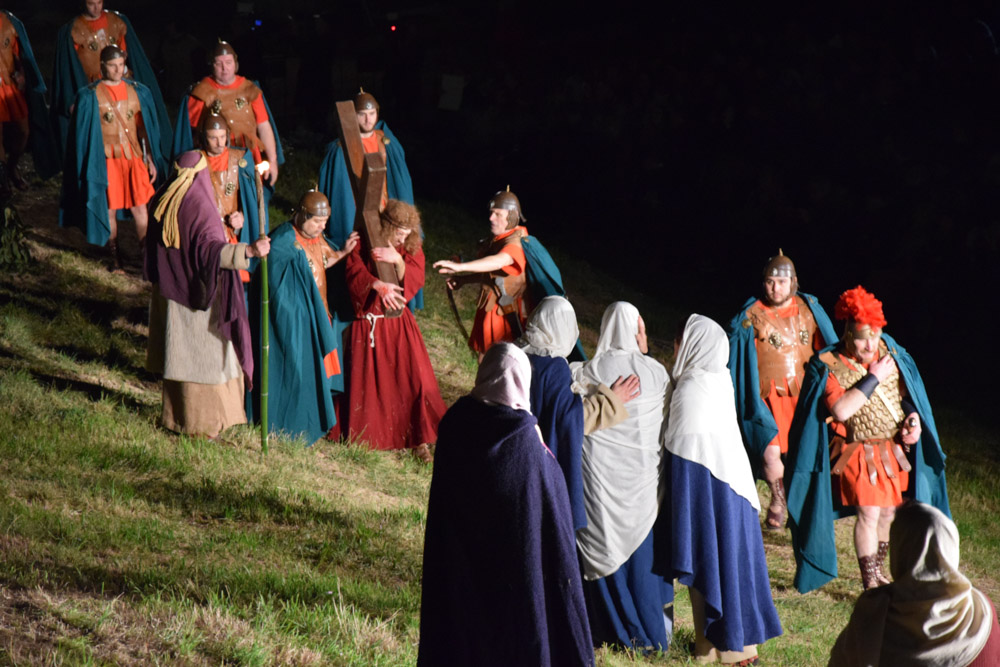
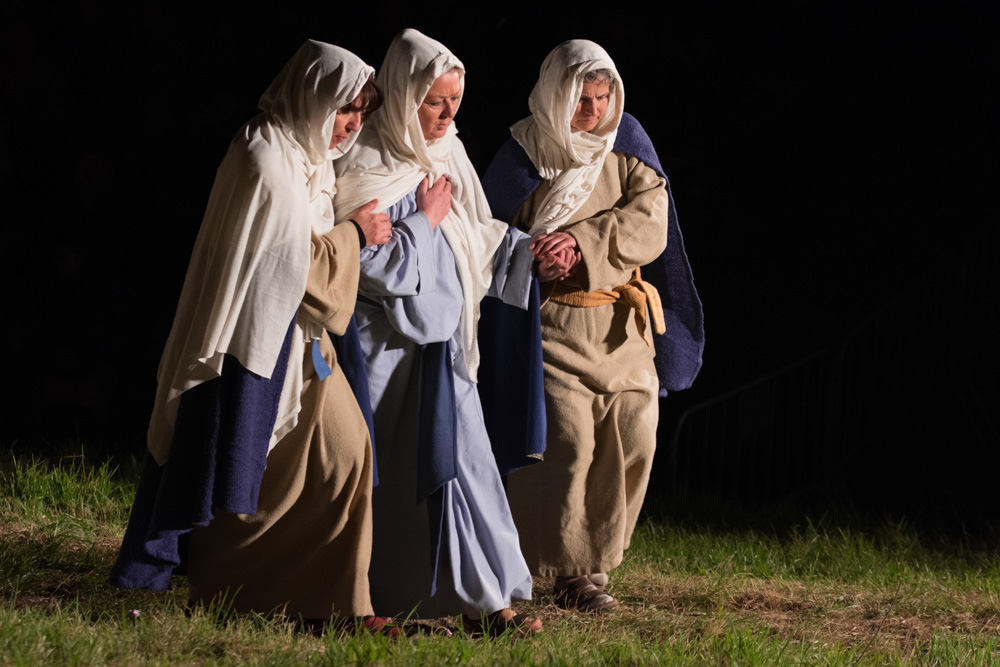
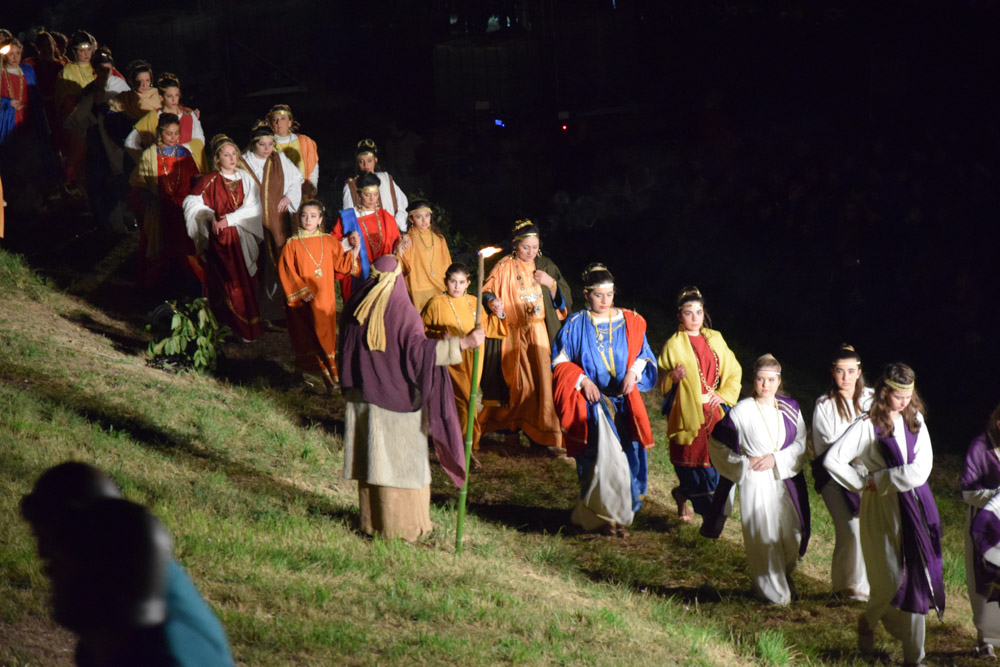
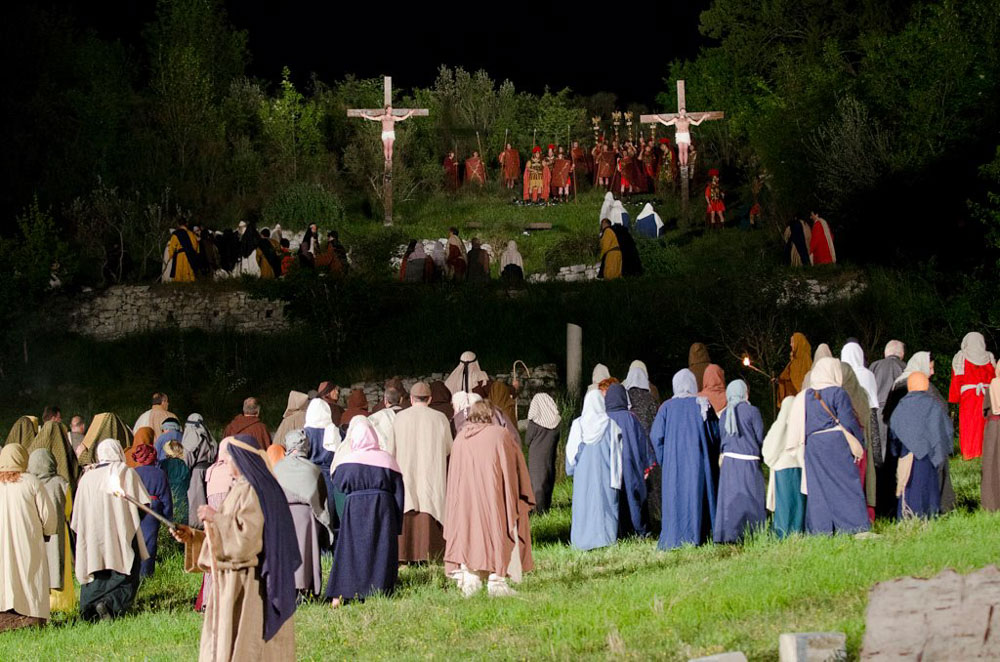
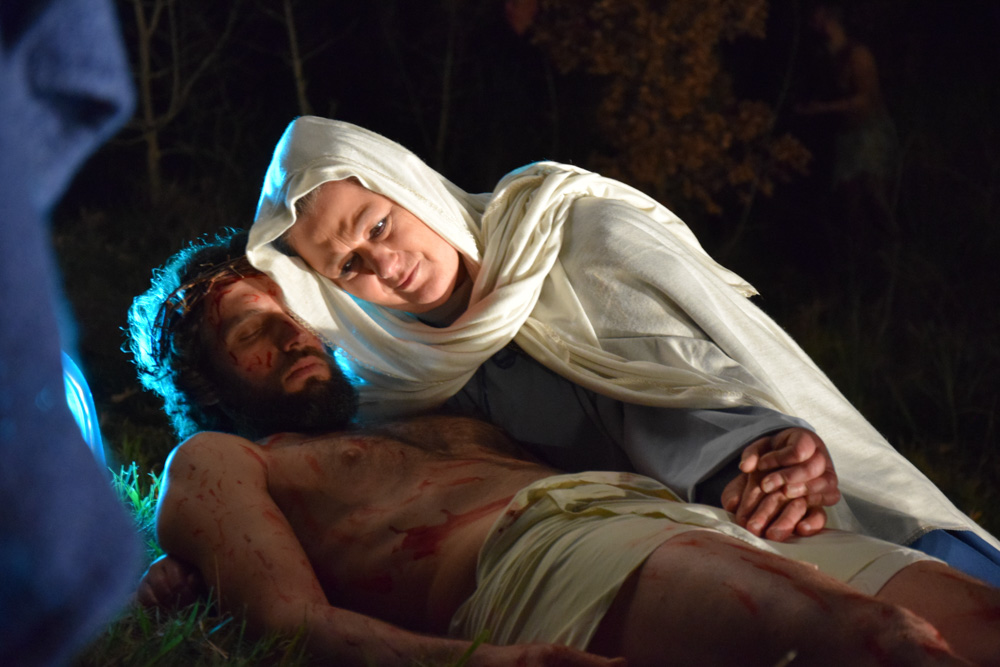
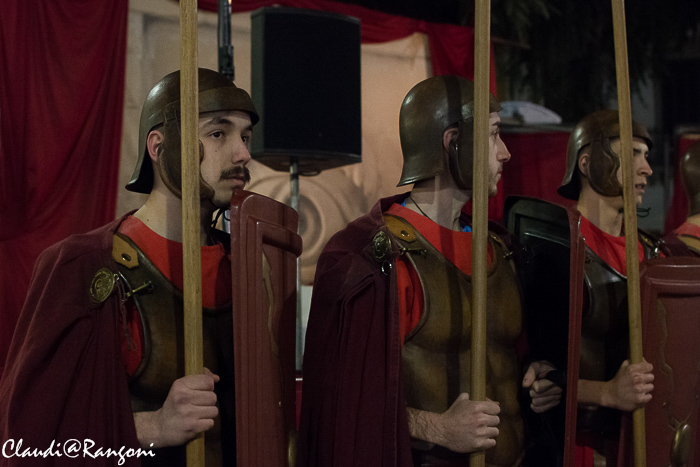
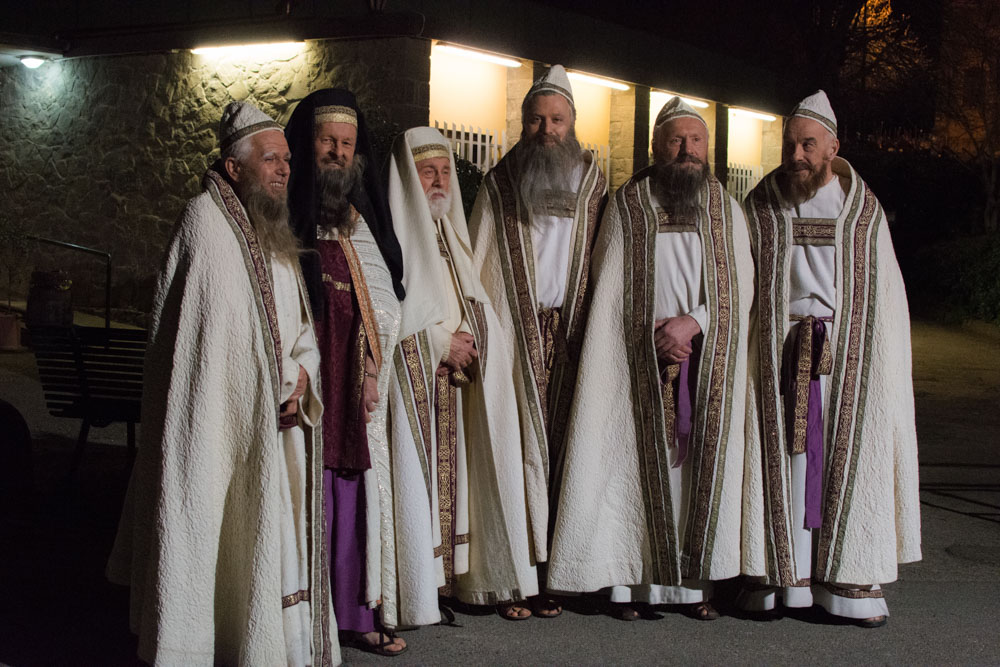
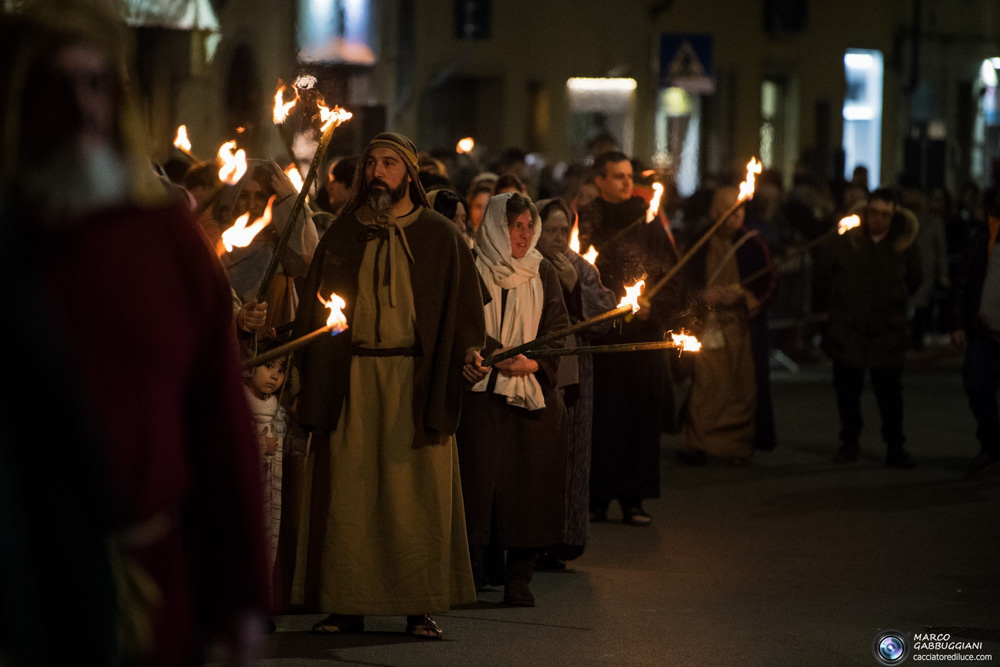
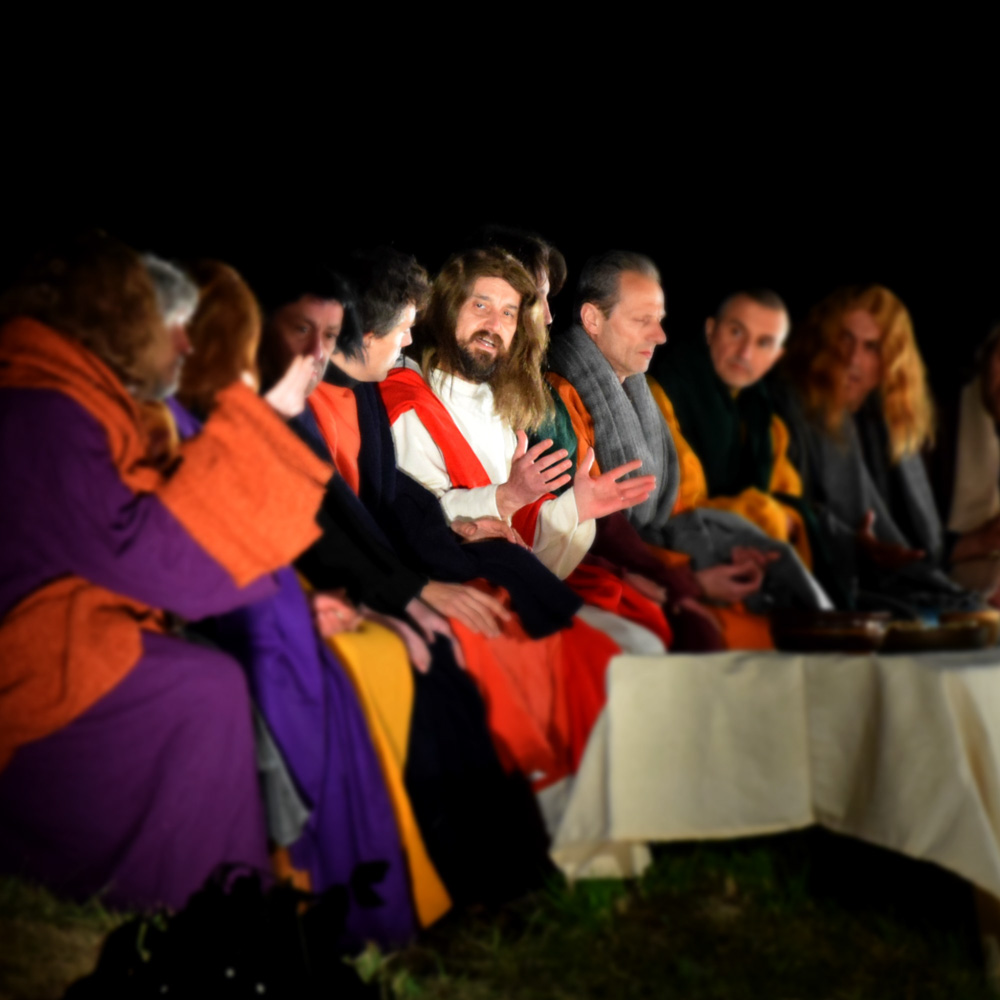
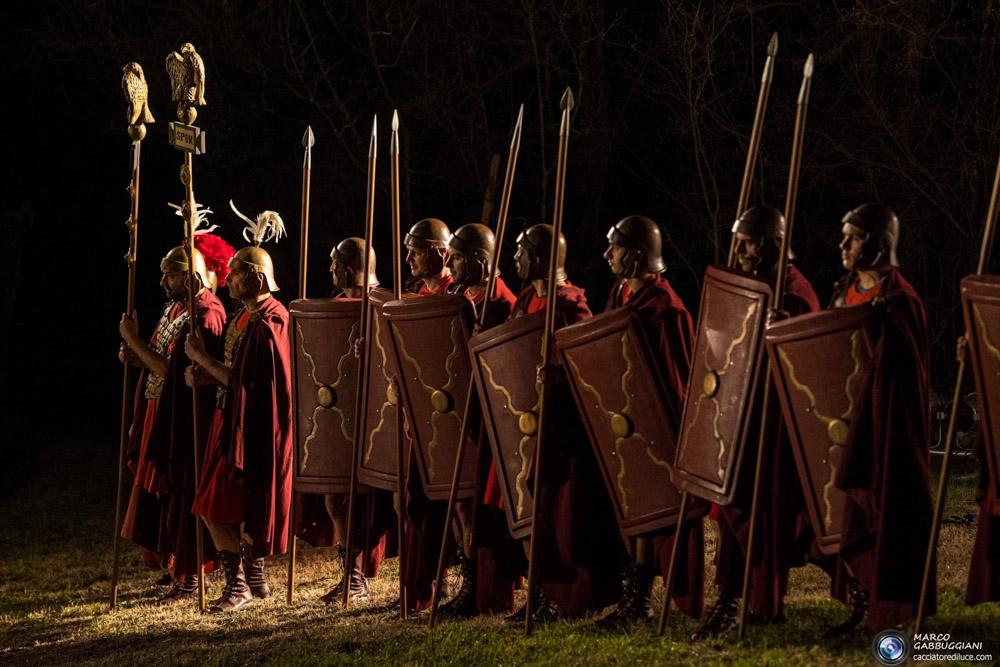
The 500 costumed figures that make up the event’s historical procession bring to life one of the evening’s most iconic moments.
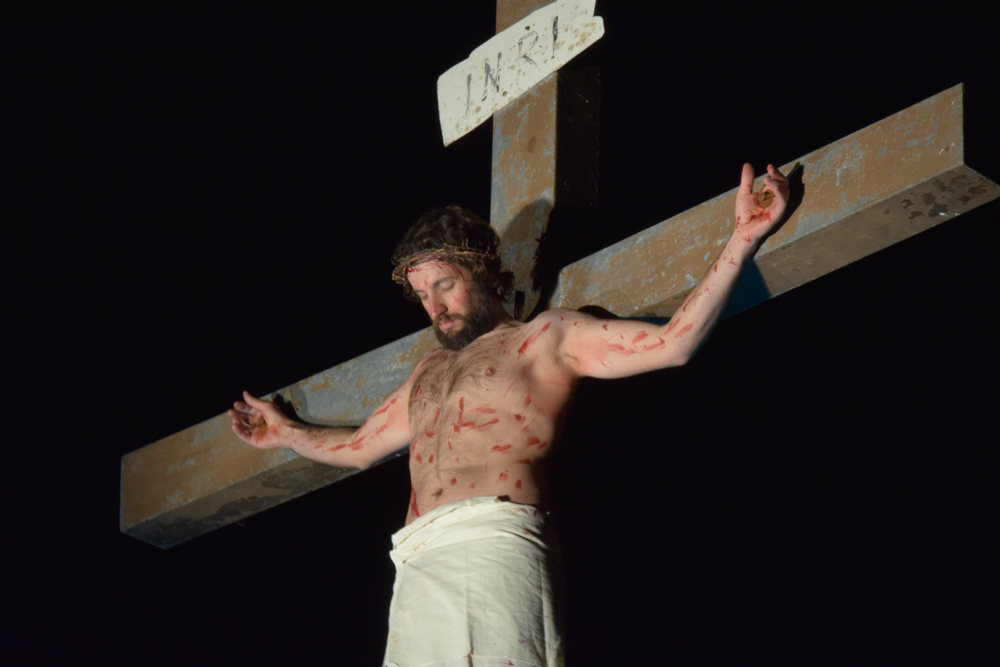
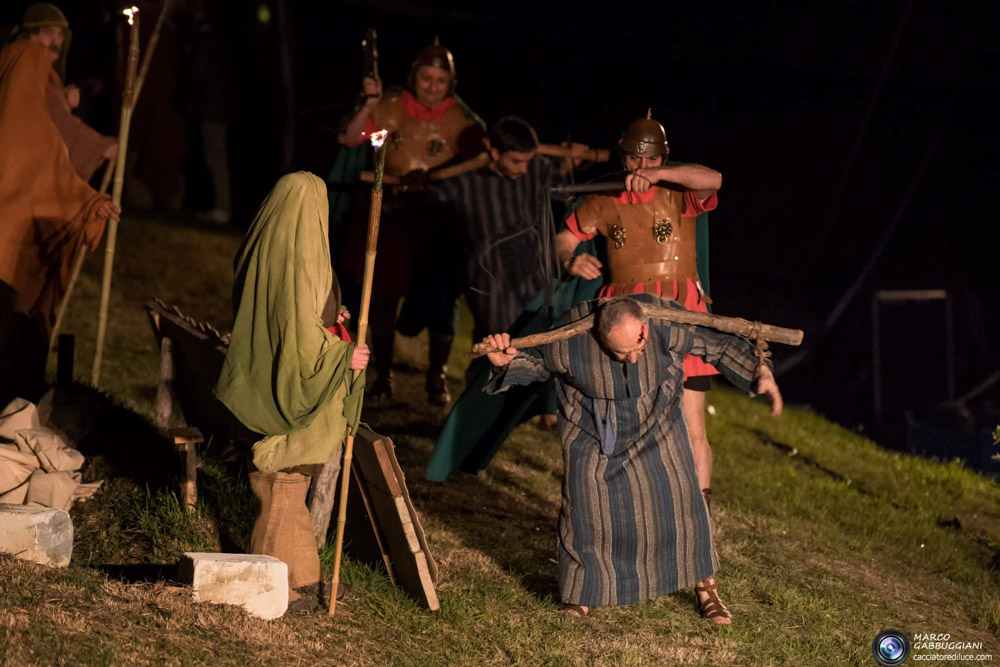
Slender figures, mighty soldiers and centurions, glittering Roman women, the picture of the thieves, and majestic horses frame a swaying and suffering Christ during the 90-minute journey of the Stations of the Cross. The arrival in the vicinity of Calvary is the prelude to the fusion of the two hitherto separate events (procession and scenes), which the coordination of a proven director succeeds every year in integrating with skill and suggestiveness.
The scene in the square
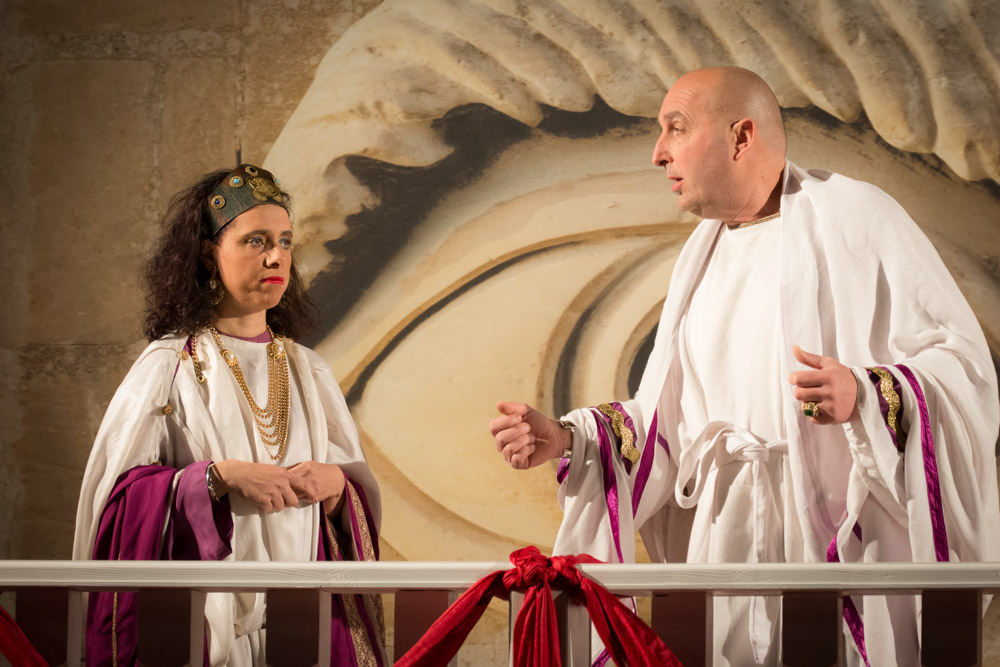
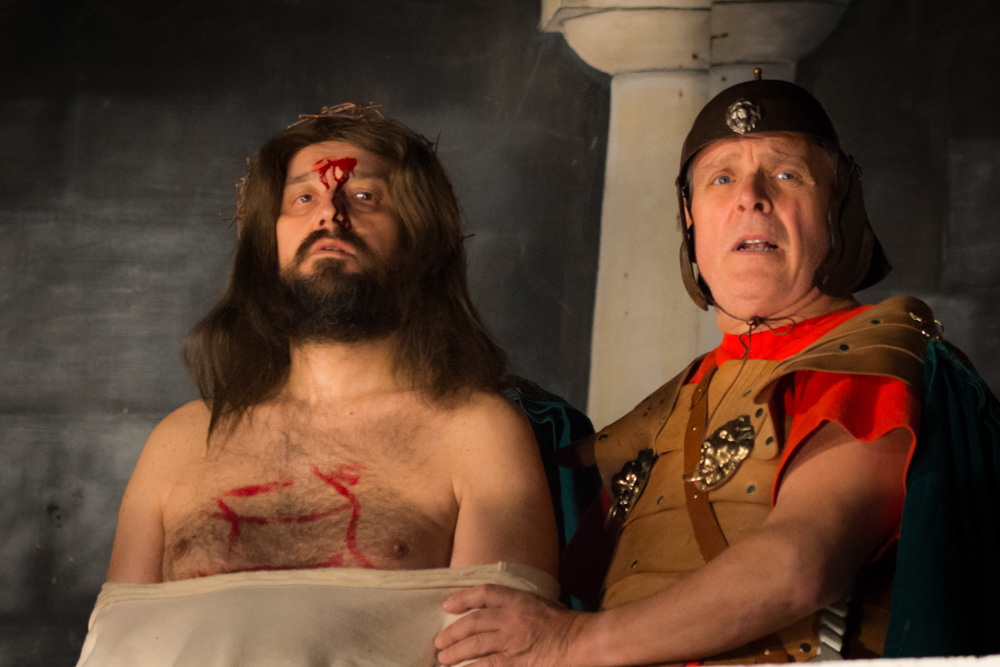
New in recent editions, the scene set in Piazza Umberto, Grassina’s main square, brought one of the most dramatic moments in the human story of Jesus of Nazareth.
Narrated by the Gospels right in the middle of the procession route and within walking distance of the many curious and amazed spectators.
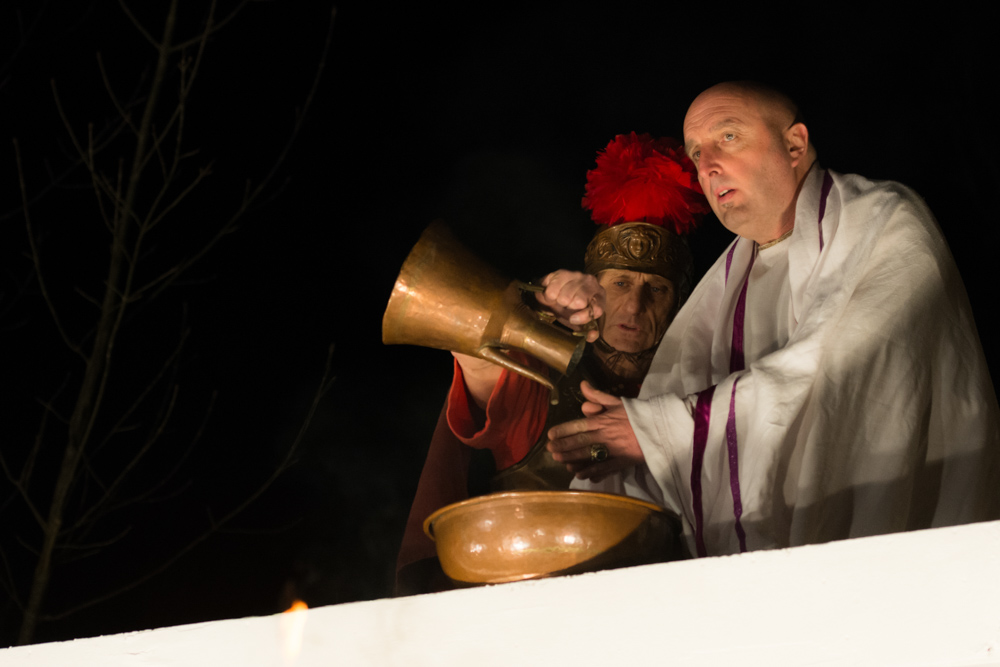
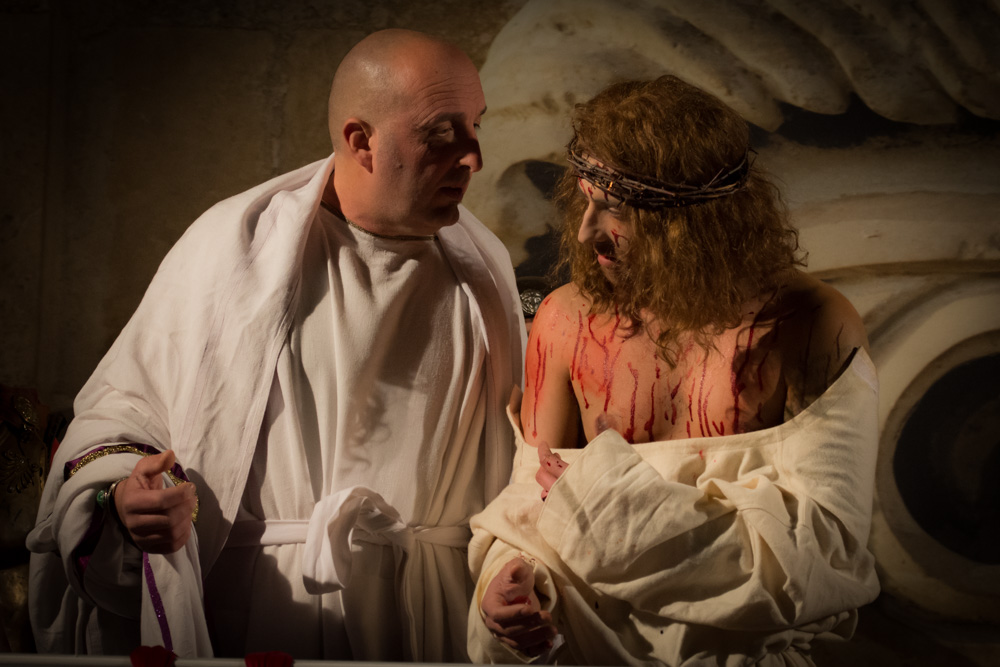
The scene in fact reconstructed Jesus’ encounter and dialogue with Governor Pilate, that close and dramatic dialogue between the two protagonists, man and God, that lies at the heart of the trial that will lead to the Nazarene’s condemnation and crucifixion.
The evocative reconstruction and setting of the scene, the actors the scenery the colors along with the presence of the Roman soldiers anticipated and preluded in perfect continuity the performance that a few hundred meters away on the hill of Golgotha was narrating the entire human story of Jesus the Nazarene.
The representation on the hill
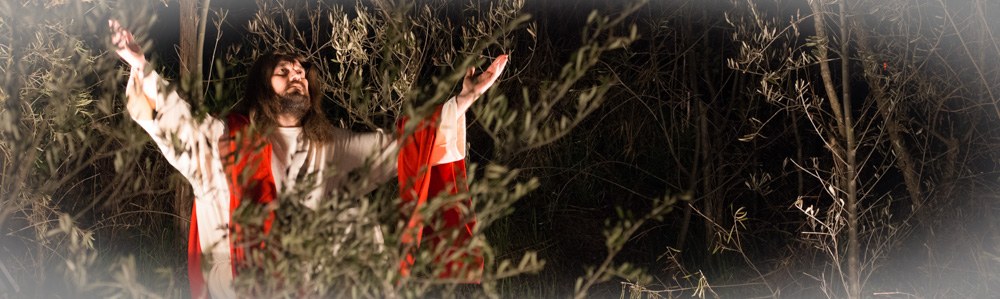
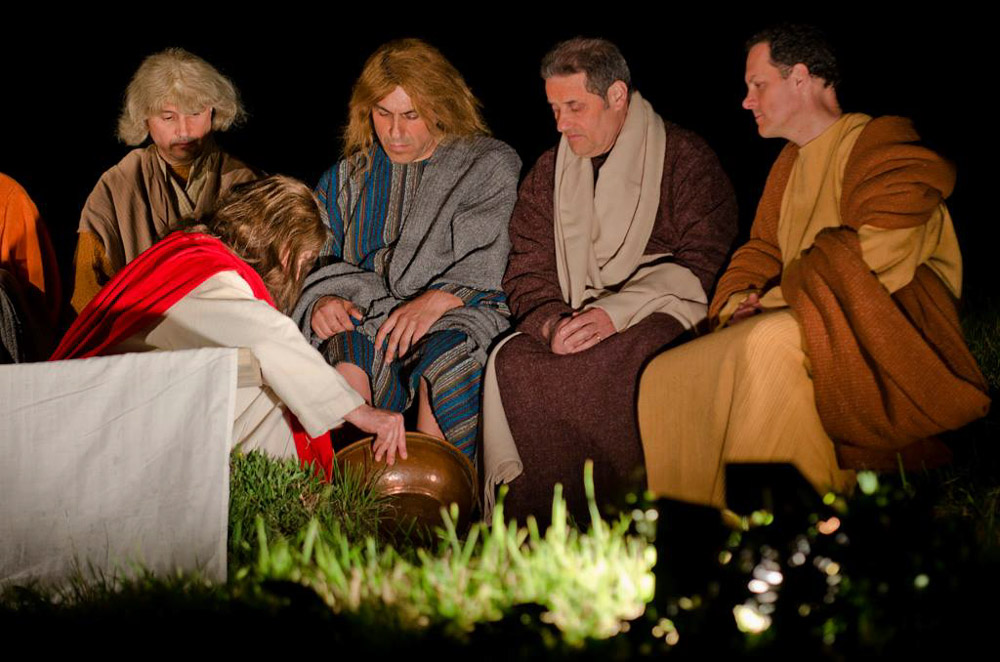
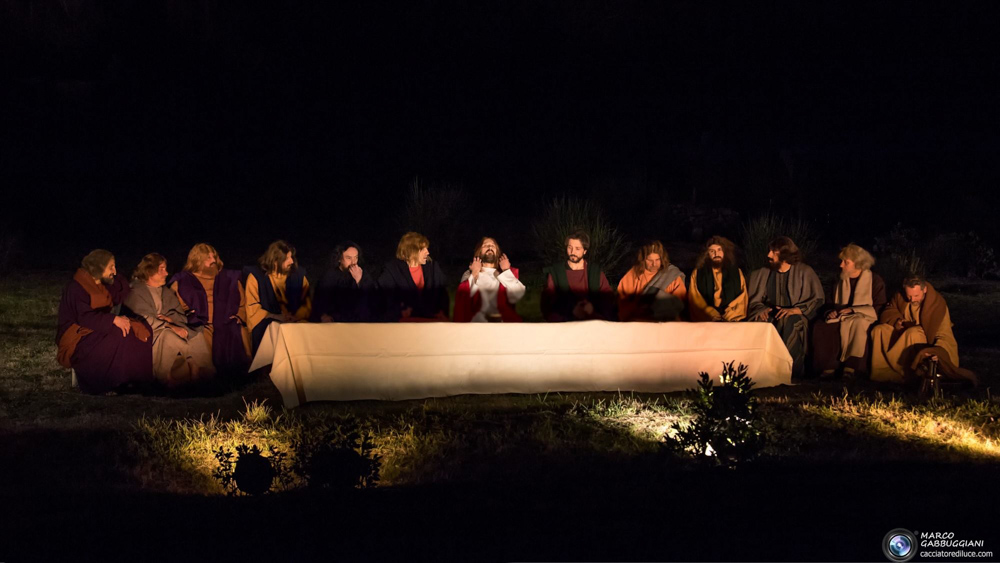
The 100 performers who in the evening and in the lights of the magnificent grassy hillside move like shadows and actors on the natural stage carved out of narrow streets, low walls, broom and olive trees represent a landscape and scenic depiction that has been appreciated and repeatedly applauded at length by leading men and women of Italian entertainment; recall in this regard the positive evaluations expressed by maestro Franco Zeffirelli, Giorgio Albertazzi, the queen of dance Carla Fracci and director Beppe Menegatti.
Just a few theatrical devices of a natural setting create that evocative harmony of colors, sounds and lights that so impress the first-time spectator attending the play, but never cease to amaze. The dialogues and text are freely drawn from the Gospels of Matthew, Luke and John. The music is by Dvorak, Orff, Haendel, Grieg, Bach, Wagner, Verdi, Stravinsky, Beethoven, Faure, Malher, and Albinoni.